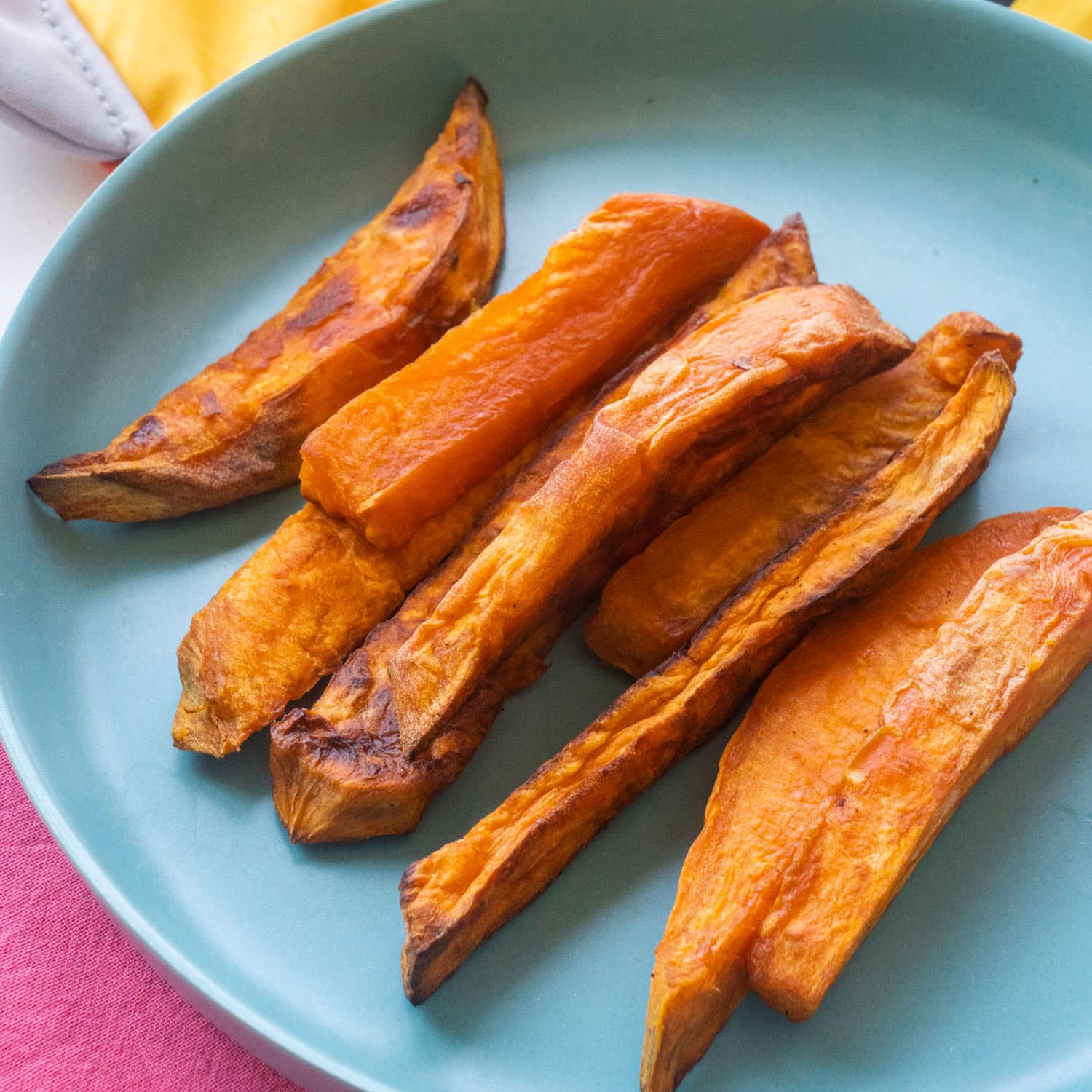
Sweet Potato Fries for Baby Led Weaning: An Ideal First Food
Embarking on the journey of Baby Led Weaning (BLW) is an exciting milestone for both parents and babies, marking the transition from purees to self-feeding. Among the myriad of first foods available, sweet potato fries for baby led weaning stand out as an undeniable superstar. Their naturally sweet flavor, soft texture when cooked, and easy-to-grasp stick shape make them a perfect introduction to solids for little hands exploring independent eating.
Sweet potatoes are more than just delicious; they are a nutritional powerhouse, making them an excellent choice for a baby's developing body. Packed with essential vitamins and minerals, they offer a wealth of health benefits:
- Rich in Vitamin C: A vital antioxidant that supports the immune system and aids in iron absorption.
- High in Vitamin B6: Crucial for brain development and nerve function.
- Good Source of Potassium and Magnesium: Important electrolytes for hydration, muscle function, and bone health.
- Excellent Fuel Source: Provides complex carbohydrates for sustained energy, vital for active babies.
Their versatility also makes them a parent's dream. While they can be mashed or pureed, slicing them into thick, fry-like sticks transforms them into an ideal finger food, perfectly sized for a baby's palmar grasp (often used by 6-7 month olds) and later, their developing pincer grasp. This encourages fine motor skills, hand-eye coordination, and allows babies to explore different textures and tastes safely. Indeed, Easy BLW Sweet Potato Fries: A Nutritious First Food Guide highlights just how beneficial this simple food can be.
Is Your Little One Ready? Spotting BLW Readiness Signs
Introducing solids, especially through baby led weaning, isn't solely about age; it's about developmental readiness. While many babies are ready to start solids around 6 months, observing specific cues from your baby is paramount. These readiness signs ensure a safe and successful start to their feeding journey:
- Can Sit Up Unassisted: Your baby should be able to sit upright in a high chair with minimal or no support, maintaining a stable posture. This is crucial for preventing choking and allowing them to manage food effectively in their mouth.
- Has Strong Neck Control: The ability to hold their head steady and upright is essential for swallowing safely and reducing the risk of aspiration.
- Shows Interest in Food: You might notice your baby eyeing your plate, reaching for your snacks, leaning forward when food is presented, or even mimicking chewing motions. This curiosity indicates they are ready to explore.
- Has Lost the Tongue-Thrust Reflex: This reflex, present in newborns, causes them to push foreign objects out of their mouth with their tongue. For BLW, this reflex needs to have diminished so food can stay in their mouth for chewing and swallowing.
It's important to remember that teeth are not a prerequisite for baby led weaning. Babies' gums are surprisingly strong and fully capable of mashing soft foods like cooked sweet potato fries. Always consult your pediatrician if you have any concerns about starting solids or your baby's readiness.
Preparing BLW Sweet Potato Fries: To Peel or Not to Peel?
Once you've determined your baby is ready, preparing the sweet potato fries is straightforward, though a few considerations will ensure they are perfectly safe and appealing. The debate over peeling is one such consideration, largely dependent on your baby's age and experience with solids.
Washing and Peeling Sweet Potatoes
Regardless of whether you peel, always begin by thoroughly scrubbing the sweet potato under running water to remove any dirt or residue. When it comes to the skin:
- For Younger Babies (6-7 months): For babies brand new to finger foods, it's generally recommended to peel the sweet potato. The skin, while nutritious, can be tough and fibrous, making it challenging for beginners to swallow and potentially posing a choking hazard. Removing the skin ensures a consistently soft texture, making it easier for them to manage and enjoy.
- For Older Babies (8-9+ months): As your baby gains more experience with chewing and swallowing a variety of textures, you can begin to leave the skin on. The skin adds extra fiber and nutrients, and older babies are typically more adept at handling it. Observe your baby's chewing abilities and comfort level before making this transition.
Cutting and Cooking for Optimal Safety and Texture
The way you cut and cook the sweet potato is crucial for BLW:
- Cut into Sticks: Aim for sticks roughly the size of your adult pinky finger in thickness and about the length of your baby's palm. This shape is ideal for a baby's palmar grasp, with enough protruding from their fist for them to gnaw on. Avoid cutting them too small (choking hazard) or too thin (can become crispy and hard).
- Cooking Method:
- Oven Baking: This is the most popular method. Lightly coat the sweet potato sticks with a healthy oil (like olive oil or avocado oil) and bake at around 400°F (200°C) for 20-30 minutes, or until fork-tender throughout. They should be soft enough to easily mash between your fingers.
- Air Frying: A quicker alternative, an air fryer can yield perfectly tender fries with a slightly crisp exterior. Air fry at 375°F (190°C) for 12-18 minutes, shaking the basket halfway through.
- Steaming then Baking: For ultimate softness, you can steam the sweet potato sticks until just tender, then lightly coat with oil and bake for a shorter period to achieve a desired texture.
- No Salt: This is a critical rule for babies under 12 months. Their kidneys are not yet fully developed to process excess sodium. Rely on the sweet potato's natural flavor and safe spices instead. For more detailed preparation, see our guide on Nutrient-Rich Sweet Potato Fries: Perfect First BLW Finger Food.
Adding Flavor: Safe Spices for Your Baby's Palate
One of the joys of BLW is introducing your baby to a wide array of flavors, expanding their palate and potentially making them less picky eaters in the future. Once your baby has successfully tried plain sweet potato fries and shows no adverse reactions, you can begin to introduce subtle spices.
Spices should be used sparingly, just a light sprinkle, and always introduce new ones one at a time to monitor for any reactions. This is a wonderful way to broaden their sensory experience and expose them to the diverse flavors of your family's cuisine.
Baby-Friendly Spices and Herbs:
- Cinnamon: A sweet and warming spice, perfect with sweet potato. It's often a baby favorite.
- Nutmeg: Another warm spice that pairs well with the natural sweetness of potatoes.
- Garlic Powder: Adds a savory depth without the intensity of fresh garlic. Ensure it's pure garlic powder, not garlic salt.
- Paprika (Mild): Provides a hint of color and a gentle, earthy flavor. Opt for sweet or mild paprika, not hot varieties.
- Cumin: Offers an earthy, slightly warm flavor that can introduce babies to global cuisines.
- Dried Herbs: A pinch of dried oregano, basil, or dill can also be a delightful addition, offering subtle aromatic notes.
- Turmeric: A tiny pinch can add a warm, earthy flavor and a beautiful golden color.
Spices and Ingredients to Avoid or Use with Caution:
- Salt: As mentioned, strictly avoid adding salt to baby's food under 12 months.
- Sugar: No added sugars, syrups, or artificial sweeteners.
- Hot Spices: Chili powder, cayenne pepper, or other spicy ingredients should be avoided for babies.
- Honey: Do not give honey to babies under 12 months due to the risk of infant botulism.
By experimenting with these mild flavors, you're not just feeding your baby; you're nurturing their culinary curiosity and setting the stage for a lifetime of enjoyable eating experiences.
Beyond the Plate: Batch Cooking and Storage for Busy Parents
Life with a baby is busy, and anything that can save time in the kitchen is a win. Sweet potato fries for baby led weaning are excellent candidates for batch cooking, allowing you to have nutritious finger foods ready to go for quick meals or snacks.
Batch Cooking for Convenience
Consider making a double or triple batch when you're preparing them. This ensures you always have a healthy, homemade option on hand, whether for a quick lunch, an easy dinner side, or meals needed for daycare.
Freezing and Storage Tips:
- Cool Completely: Before storing or freezing, ensure the cooked sweet potato fries have cooled down to room temperature. This prevents condensation and freezer burn.
- Freezing Method: To prevent the fries from sticking together, spread them in a single layer on a baking sheet and freeze until solid (about 1-2 hours). Once frozen, transfer them to an airtight freezer-safe bag or container. This flash-freezing technique keeps them separate and easy to portion.
- Refrigeration: Cooked sweet potato fries can be stored in an airtight container in the refrigerator for 3-4 days.
- Freezer Duration: Properly frozen sweet potato fries can maintain their quality for up to 3 months.
- Reheating: For the best texture, reheat frozen or refrigerated sweet potato fries in the oven or air fryer until warmed through. This helps them regain some crispiness. While a microwave can be used, it may result in a softer texture.
Having a stash of these easy-to-grab, nutrient-rich fries can be a lifesaver on hectic days, simplifying mealtime and ensuring your little one always has access to wholesome food.
In conclusion, sweet potato fries are a fantastic starting point for your baby's BLW adventure. They combine irresistible natural sweetness with a soft, chewable texture, all while delivering a powerful punch of essential nutrients. By understanding readiness signs, preparing them safely with appropriate peeling and cooking methods, and introducing a spectrum of safe spices, you're not just offering food; you're fostering independence, developing motor skills, and shaping a diverse palate from an early age. So, embrace the delicious mess and enjoy watching your little one discover the joy of self-feeding with these wonderful, wholesome sweet potato fries!
